





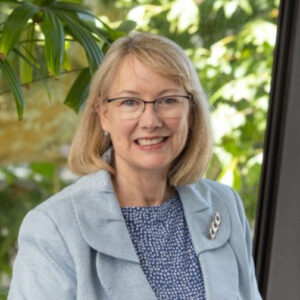
Adria Navarro, Program Manager
USC Verdugo Hills Hospital
Community Resource Center for Aging
Connection is powerful. Aging does not diminish a person’s value or their right to feel connected, purposeful and supported. When we check in on our neighbors, speak openly about mental health and create spaces where older adults feel welcome, we build a community where no one faces despair alone.
For many years USC Verdugo Hills Hospital (USC-VHH) has taken mental health seriously, providing expertise both in the Emergency Department and through an inpatient Geropsychiatric Unit. There is also a community effort as we deliver virtually and in person the 11th annual Suicide Prevention and Awareness Conference on Sept. 12. This conference empowers hundreds of people, informing them that each of us plays a role in making our community a place where all feel seen, supported and hopeful about the future.
Aging and Suicidality
While aging brings wisdom, resilience and perspective, it may also bring challenges – losses, health changes, financial strain or shifts in identity and independence. For some, these pressures can contribute to depression or thoughts of suicide – which has become a growing public health crisis. According to the Centers for Disease Control and Prevention (CDC), while nearly every age group reports an increased rate of suicide, older Americans fared the worst. Compared to 2021, suicide deaths rose 8.1% among people age 65 and over. Many factors can be easily overlooked: chronic pain, social isolation, grief after losing a spouse or close friend or feeling like a burden. Personally, some may not recognize depression in themselves, assuming sadness or withdrawal is “just part of aging,” even though it isn’t. Recognizing these realities helps us respond with compassion rather than judgment. It also reminds us that mental health is a community responsibility not an individual one.
Everyday Connections
One of the strongest protective factors against suicidality is connection. Not clinical treatment, not complicated programs – simple, human connection.
Small actions matter more than most people realize:
- Check in regularly. A quick phone call, a knock on the door or a shared cup of coffee can interrupt loneliness and remind someone they matter.
- Notice changes. If a neighbor stops coming to gatherings, seems unusually withdrawn or talks about feeling hopeless, those are signs to reach out.
- Listen without trying to fix. Sometimes people need space to talk about their feelings without being told to “stay positive.” Listening itself is an act of care.
- Offer practical help. Rides to appointments, help with errands or assistance navigating technology can reduce stress and strengthen connection.
These gestures don’t require special training. They require presence.
Mental Health Conversations
If someone shares that they feel hopeless or overwhelmed, a calm reassuring response could be: “I’m really glad you told me. You’re not alone, and we can figure out what to do next.” We don’t need to diagnose or solve the problem – we just need to stay connected and help reach people who can provide care. Encourage the person to talk with a doctor, counselor or someone they trust as a supportive next step. Older adults who call or send a text message to 9-8-8 will speak to a trained counselor. Located in 200 crisis centers all over the country, these counselors are experienced in responding to people in emotional distress, including those with suicidal intent. Dialing 9-8-8 is just like dialing 9-1-1 for emergency response or 2-1-1 for information services. For more information the website is: 988lifeline.org.
Strengthening Community Support
The USC-VHH Community Resource Center for Aging (CRCA) partners with local organizations – senior centers, YMCA, faith communities and libraries – each play a vital role in preventing isolation. Programs that offer social activities, grief support, exercise classes or volunteer opportunities help older adults stay engaged and purposeful. CRCA also promotes mental health literacy by offering workshops on aging, stress and emotional wellbeing. This October – Mental Health Awareness Month – we encourage wearing a green ribbon; the ribbon helps others recognize that you understand the signs of depression and, above all, how to respond. To stay in touch and/or explore resources, by phone call (818) 949-4033 or email Aging-Resources@med.usc.edu.
Program Manager
USC Verdugo Hills Hospital
Community Resource Center for Aging

Hope – A Community Effort added by CV Weekly on
View all posts by CV Weekly →