





The Essential Role of Social Care
Older adults today are living longer than any generation before them, but longevity brings new challenges – especially the rising impact of noncommunicable diseases (NCDs) such as heart disease, diabetes, cancer, chronic respiratory conditions and dementia. These conditions account for the vast majority of illness, disability and healthcare use among people over 60. Yet the story of aging and NCDs is not only medical. It is deeply social. The quality of support, connection and care surrounding older adults often determines whether they merely live with chronic conditions or truly live well.
A Growing Reality for an Aging Nation
NCDs develop over many years, shaped by genetics, lifestyle, environment and social factors. As the population ages, nearly every family is touched by at least one of these conditions. Heart disease remains the leading cause of death for older adults, while diabetes and hypertension affect millions. Dementia and cognitive decline continue to rise as people live longer.
But the presence of an NCD does not automatically diminish quality of life. Many older adults manage chronic conditions successfully for decades. What makes the difference is access to coordinated health care, supportive environments and meaningful social connections.
Health Is More Than Medicine
Medical treatment is essential but it is only one part of the picture. Older adults with chronic conditions often need help with daily activities, transportation, medication management, meal preparation and navigating complex health systems. This is where social care becomes a powerful force for wellbeing and speaks to the commitment of USC Verdugo Hills Hospital to invest in providing the Community Resource Center for Aging (CRCA).
Social care includes the practical, emotional and community-based support that helps people live safely and independently. It ranges from family caregiving and community center programs to home care services, grief and loss support along with solo aging programs. These supports reduce stress, prevent crises and help older adults stay engaged in life.
For individuals living with NCDs, social care can be just as important as clinical care. A person with diabetes may need help grocery shopping or preparing healthy meals. Someone with heart disease may benefit from a walking group that provides both exercise and companionship. A person living with dementia may thrive with structured routines, respite care for family caregivers and a memory café like our local “Caregivers Night Out” program that offers stimulation and connection.
The Power of Connection
Loneliness and social isolation are now recognized as major risk factors for worsening chronic disease. Older adults who lack social support are more likely to experience depression, poor medication adherence and avoidable hospitalizations. In contrast, those who maintain strong social ties often show better physical and cognitive outcomes.
Community organizations play a vital role. Libraries, YMCAs, volunteer groups and faith communities offer opportunities for learning, movement, creativity and friendship. These spaces help older adults stay active, build resilience and maintain a sense of purpose – key ingredients for managing chronic conditions.
Supporting Caregivers, Strengthening Communities
Family caregivers provide the majority of social care in the United States often while juggling jobs, children and their own health needs. Supporting caregivers with information, respite services and financial assistance strengthens the entire system of care. When caregivers are supported, older adults are safer, healthier and more able to remain at home.
Communities also benefit when they invest in age-friendly policies, supporting accessible transportation, safe walking paths, vibrant community centers and affordable housing. These efforts help prevent NCDs, slow their progression and improve quality of life for everyone.
A Call to Action
Aging with chronic disease is not a failure – it is a natural part of the human lifespan. What matters is how communities respond. By integrating medical care with strong social support we can help older adults live not only longer, but better.
The future of healthy aging is shaped as much by connection, dignity and daily support as by any prescription. When social care and health care work hand in hand, older adults can thrive even in the presence of chronic conditions, contributing their wisdom, strength and experience to the communities they continue to enrich.
Thanks to the generous support of our community you can reach out to the USC VHH Community Resource Center for Aging to confidentially discuss questions about social care. Email Aging-Resources@med.usc.edu or call (818) 949-4033.
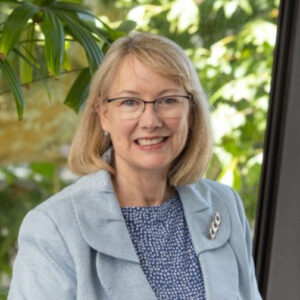
Program Manager
USC Verdugo Hills Hospital
Community Resource Center for Aging

Adria Navarro, PhD Program Manager – USC Verdugo Hills Hospital, Community Resource Center for Aging added by CV Weekly on
View all posts by CV Weekly →