





AB 2478: Kinship Family Approval
California currently has more than 37,000 children in our foster care system. These are children who are placed into our care due to abuse or neglect. They’re trauma survivors and though they’re removed from their parents for their own safety, they’re facing an unfamiliar and daunting system that hasn’t always put their needs first.
Research consistently shows that children placed with familiar caregivers experience better outcomes including greater placement and educational stability, higher likelihood of reuniting with siblings, and improved mental and behavioral health. In these types of placements, young people are more likely to be employed or enrolled in higher education by the age of 21, and less likely to experience homelessness and incarceration.
It’s why California has adopted a kin-first culture for our child welfare system. The goal is to provide an environment in which the systems serving children in crisis and their families adopt policies and practices that prioritize keeping children safely at home whenever possible and, when removal is necessary, placing them with family or trusted adults who can maintain their connections to community, culture and tribe. To put it simply: If you were no longer able to care for your children, you would want a family member or someone they know and trust to be able to step in – and our foster care system shouldn’t be any different.
For years, relatives, extended family members and kinship caregivers have had to go through the same approval process as other foster care providers, regardless of their relationship with the child. It’s a standardized process that can subject kin caregivers to unnecessary administrative barriers that create undue delays, which can sadly prevent children from being placed with their kin altogether.
Our goal should be to ensure the safest and most supportive environment possible for vulnerable children, not extra layers of bureaucracy. That’s why I’ve introduced Assembly Bill 2478. This bill follows through on the strides that California has made to support kinship care by creating the Kinship Family Approval pathway, a streamlined approval framework for kin to step forward during a crisis. It’s a system that’s designed specifically to recognize that caregivers with pre-existing meaningful relationships with a child should not face the regulatory barriers designed for traditional foster homes.
That doesn’t mean that safeguards go out the window. California’s licensing requirements for anyone who cares for vulnerable individuals include background checks. In fact, existing law requires foster care applicants and all adults residing in their household to undergo a criminal background check. We also allow for limited exemptions for prior convictions that do not pose a risk to the health and safety of a child.
While the law rightfully prohibits anyone convicted of child abuse or other violent felonies from becoming a foster parent it also allows, with appropriate oversight from the courts, a family member with a prior shoplifting conviction (for example) to provide care. AB 2478 reduces delays in the approval process by clarifying the timeline for background checks for emergency placements and allows for criminal record clearances to extend to kinship providers as well.
With all of these changes, we’re putting the needs of children first. We know that familiar environments with trusted adults are best. I’m working with state administrators, county social workers, foster youth advocates and family members to re-think our system of care to do just that.
AB 2478 is just starting on the long road to becoming law but I’m committed to getting it right. If you’d like to share your thoughts on the bill, or any legislation, please feel free to contact my office at (818) 558-3043 or assemblymember.schultz@assembly.ca.gov.
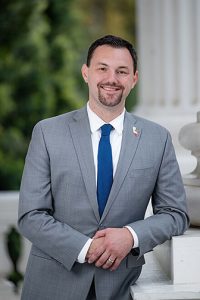

NEWS FROM SACRAMENTO <<< ASSEMBLYMEMBER NICK SCHULTZ added by CV Weekly on
View all posts by CV Weekly →