





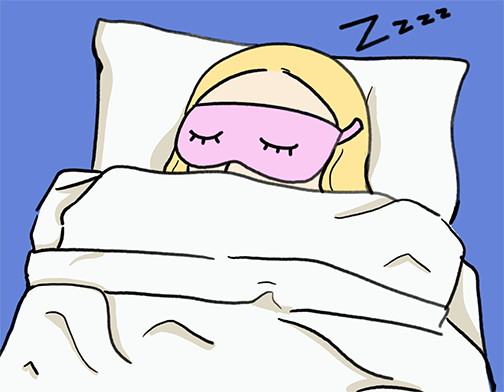
Illustration by Hannah LIM
By Hannah LIM
For most teenagers, sleep is considered the last priority in a busy schedule filled with academics, sports and extracurricular activities. The necessity to accomplish certain goals often push back the quality and consistency of sleep schedules, affecting teenagers’ moods and ability to learn during school. As important as that next exam might be to the average teenager, sleeping might actually be a better study method than pulling that all-nighter to cram in material.
Romina Sifuentes, an MD at Keck Medicine of USC, said that when teenagers are sleeping their brains work hard to retain information learned throughout the day, including materials taught in school.
“Teen brains are still developing skills needed for focus, judgment [and] self control,” she said, adding if they are not receiving an adequate amount of sleep these skills can be affected along with long-term memory.
Lack of sleep from the night before can also lead to drowsiness that makes it difficult to push through the day and find the willpower to study and learn. Often the most convenient way to stay awake is to grab a latte, refresher or energy drink. But what teenagers don’t realize is the reliance on caffeine to function only makes getting to sleep harder at night, which also affects studying. Dr. Sifuentes said that caffeine and energy drinks interfere with melatonin, a hormone signal that tells a brain to sleep. Caffeine also increases anxiety levels and can lead to high heart rates, resulting in worse performance at school.
So, how can parents and school staff members notice if their teenager or student isn’t receiving a good or efficient amount of sleep? Vahe Akopian, an MD and general neurologist who has privileges at USC-VHH and Glendale Adventist Medical Center, mentioned that for teenagers the more obvious symptoms include impulsive behavior, increase in irritation, higher anxiety and worse eating habits.
But it can be difficult to pinpoint these symptoms … especially after pulling all-nighters.
“The habits that you build now as a teenager carry on with you for the rest of your life,” said Dr. Akopian. “If you learn that sleep can be optional or sleep is something you can pick up on later and don’t treat it as a serious eight hour window, it becomes easier later on in life to mistreat sleep.”
“When you’re young, your body is super flexible,” he added. Often symptoms of sleep deprivation aren’t noticeable during teenage years and a person can feel normal even with little sleep. However, Dr. Akopian emphasized that “abusing the forgiveness of a teenage body will come later on to bite you in the butt.”
To ensure teenagers receive healthy sleep, Dr. Akopian advised keeping a consistent sleep schedule – even on weekends. This means trying not to sleep in. Also, for students, being behind on studies can lead to cramming in materials and sacrificing sleep, which only worsens test-taking abilities. It’s best to sleep a sufficient amount to remember materials learned when studying.
Dr. Sifuentes similarly stated that being consistent in sleeping is essential to letting teenage bodies know when to sleep and keeping health and memory stable. It’s also recommended to put down screens before bedtime to allow better sleep quality.
Although it may feel impossible to balance everything and maintain a healthy sleep schedule, building good sleep habits as a teenager is an essential investment in long term physical, emotional and mental health.

HEALTHY LIVING <<< Sleep for Teenagers – How Important Is It? added by CV Weekly on
View all posts by CV Weekly →