





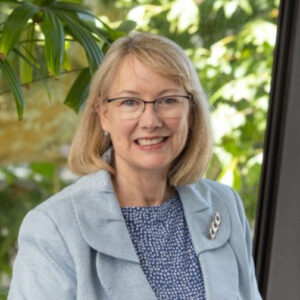
Adria Navarro, PhD
Program Manager
USC Verdugo Hills Hospital
Community Resource Center for Aging
Older adults are living through a remarkable moment in history – one defined by rapid change, new technologies and evolving ideas about health and community. While these shifts can feel daunting, they also create powerful opportunities to stay connected, purposeful and engaged. Thriving today isn’t about keeping pace with every new trend; it’s about using the strengths, wisdom and resilience built over a lifetime to shape a meaningful and vibrant chapter of life.
Living Longer, Living Better
Advances in medicine, nutrition, and preventive care mean that many people are living longer with greater vitality. Staying active, eating well and keeping up with routine health screenings remain essential, but thriving goes beyond physical health. Emotional well‑being, social connection and a sense of purpose are equally important. Many older adults are discovering that the years after 60 can be among the most fulfilling, offering time to explore interests, deepen relationships and contribute to community life.
Connection in a Changing World
Technology has transformed how people communicate and participate in daily life. For some, digital tools can feel unfamiliar but they also open doors: video calls with family, online classes, virtual book clubs and telehealth appointments. Local libraries, senior centers and community colleges now offer digital literacy classes designed specifically for older adults. Learning at your own pace can turn technology into a bridge – one that keeps you connected, informed and engaged.
Purpose as a Source of Strength
A strong sense of purpose is one of the most powerful predictors of well‑being in later life. Purpose doesn’t need to be complicated. It can be found in volunteering, mentoring younger generations, caring for loved ones, joining a community group or pursuing creative hobbies. Many older adults are stepping into new roles as leaders, storytellers and advocates. Their lived experience is a resource communities deeply need, especially during times of uncertainty.
Resilience Through Community
The past several years have brought significant challenges, from public health crises to economic shifts. Yet older adults have shown extraordinary resilience. Staying connected – to friends, neighbors, faith communities and local organizations – remains one of the strongest protections against loneliness and stress. Senior centers, walking groups, arts programs and volunteer networks continue to expand their offerings, creating spaces where people can find belonging and support.
Honoring the Past While Embracing the Future
Thriving in this moment doesn’t mean leaving the past behind. It means integrating the lessons of a lifetime with the realities of today. Older adults have lived through a variety of losses, social movements and technological revolutions. At the same time embracing new experiences, whether learning a skill, meeting new people or trying a new activity – keeps the mind active and the spirit open.
For those experiencing grief, joining the six week USC-VHH Community Resource Center for Aging “Grief and Loss: Beyond Blue” support group (beginning today, March 12) can be a helpful step that honors the past, while integrating poignant life changes into the days ahead.
A Future Full of Possibility
This moment in history is not just something to navigate – it’s something older adults can shape. Communities are stronger when older residents are active, visible and engaged. Whether through civic participation, creative pursuits or simply showing up for one another, older adults continue to play a vital role in building a healthier, more connected future.
If you are looking for ways to thrive, let the USC-VHH Community Resource Center for Aging come alongside, nurturing your well‑being and embracing the opportunities of a changing world. The next chapter is still yours to write! Email Aging-Resources@usc.med.edu or call a resource specialist at (818) 949-4033.
Program Manager
USC Verdugo Hills Hospital
Community Resource Center for Aging

Thriving in This Moment: Opportunities for Older Adults added by CV Weekly on
View all posts by CV Weekly →