





Reviewing the Budget
Earlier this year, Governor Newsom released a budget proposal that kicked off negotiations with the Legislature over everything from how we fund our schools to public safety. This year, as we navigated the challenging financial climate made worse by the passage of HR 1 and repeated hostile actions from the Trump Administration, we worked together to pass a budget enacting a responsible, balanced spending plan that safeguards California’s values while maintaining our state’s long-term fiscal health.
The state government’s budget and accompanying trailer bills include new landmark policies that will accelerate housing production and boost affordability in communities across the state – addressing California’s most urgent challenges.
In response to Governor Newsom’s proposed cuts, the Legislature successfully pushed back against drastic reductions to healthcare coverage and life-saving human services programs. The final state budget signed by the governor represents a negotiated compromise.
In total, the Budget Act of 2026 contains $352 billion in total spending. Higher-than-expected tax revenues — driven in part by continued strength in the technology and AI sectors — allowed lawmakers to avoid many of the deeper spending cuts that had been anticipated while continuing to address projected long-term structural deficits. The budget also increases the state’s reserve funds to nearly $29 billion.
The budget reflects a shared commitment to protect opportunity and improve affordability in California in the face of targeted attacks by the Trump Administration.
Below is a brief summary of the various components of the state budget plan that I would like to highlight for all of you.
- Education. The budget continues to dedicate a large share of general fund spending to K–12 schools, consistent with constitutional funding requirements. It also preserves funding for school districts despite ongoing fiscal pressures and provides cost-of-living adjustments. Importantly, the Newsom Administration also proposed governance changes intended to strengthen accountability and improve academic outcomes by recasting the roles and duties of the superintendent of Public Instruction.
- Childcare. The budget funds nearly 23,000 new childcare spaces, continuing a priority commitment of both Governor Newsom and the Legislature.
- Health care. The budget preserves key health care programs for Californians targeted by Republicans. It delays several previously proposed Medi-Cal benefit reductions, including some cuts affecting dental services and provider reimbursements. The budget agreement also preserves health care access for many low-income Californians through continued health care provider taxes that leverage federal matching funds. In total, this budget maintains health care as one of the state’s largest spending priorities while recognizing continued structural budget challenges.
- Housing and Homelessness. The budget also includes approximately $1.6 billion in one-time funding for programs that cannot be financed through bond proceeds. These funds support affordable housing production, homelessness interventions and related housing programs.
- Public Safety. The budget includes new funding for regional task forces and prosecutors focused on organized retail theft and property crime, building on prior state investments. It further provides an ongoing $1 million general fund increase to support campus public safety and security programs.
- Lastly, the budget continues investments that pair treatment and behavioral health services with public safety strategies, reflecting the state’s emphasis on addressing mental illness and substance use alongside criminal justice efforts.
In California, our state budget is a reflection of our values. We’re investing in our communities, protecting vital services, supporting neighborhoods recovering from devastating wildfires, protecting the integrity of our elections, growing jobs and addressing the affordability crisis with real reforms to bring down the cost of housing.
If you would like to learn more about the approved Budget Act of 2026, I strongly encourage you to read more at https://ebudget.ca.gov/home.
As always, please do not hesitate to contact our district office if you have questions or if we can be of assistance. Our phone number is (818) 558-3043 and email address is Assemblymember.Schultz@Assembly.ca.gov.
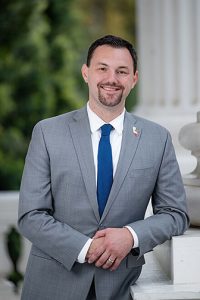

NEWS FROM SACRAMENTO <<< ASSEMBLYMEMBER NICK SCHULTZ added by CV Weekly on
View all posts by CV Weekly →