





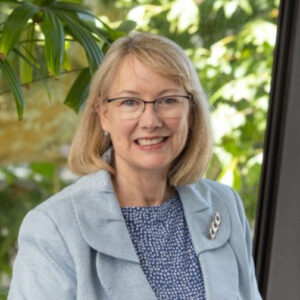
Adria Navarro, PhD
Program Manager
USC Verdugo Hills Hospital
Community Resource Center for Aging
Hearing loss is one of the most common – and most overlooked – health concerns among older adults. Nearly one in three people over age 65 experiences some degree of hearing difficulty, yet many wait years before seeking help. Because hearing changes happen gradually, it’s easy to adapt without realizing how much sound, connection and confidence have quietly slipped away. But addressing hearing loss early can make a profound difference in health, safety and quality of life.
Hearing Loss Matters
Hearing is more than a sense – it’s a lifeline to communication, independence and emotional wellbeing. When hearing becomes difficult, conversations take more effort. Background noise becomes overwhelming. Social gatherings feel exhausting. Many people begin to withdraw from activities they once enjoyed – not because they want to, but because participating becomes too challenging.
Untreated hearing loss has been linked to increased feelings of loneliness, higher rates of depression and even a greater risk for falls. In recent years, researchers have also found a strong connection between hearing loss and cognitive decline. The brain works harder to fill in the gaps when it can’t clearly hear speech, leaving fewer resources for memory and thinking. Encouragingly, studies show that using hearing aids can help reduce this cognitive strain and support longterm brain health.
Signs of Hearing Loss
Missing sounds of everyday life rarely happens all at once. Many people notice subtle changes long before they realize how much they’re missing. Common signs include:
- Frequently asking others to repeat themselves
- Feeling that people “mumble”
- Difficulty hearing in restaurants or group settings
- Turning up the TV or radio louder than others prefer
- Trouble hearing children’s or women’s voices
- Ringing or buzzing in the ears (tinnitus)
When any of these issues sound familiar, it’s likely time for a hearing check.
Helpful Steps at Any Age
The good news is that hearing loss is highly manageable and today’s solutions are more effective, discreet and affordable than ever. Here are practical steps to protect and improve your hearing:
- Schedule a hearing test. A baseline hearing evaluation is simple, painless and usually covered by insurance. Audiologists can identify the type and degree of hearing loss and recommend the best next steps.
- Explore hearing aid options. Modern hearing aids are small, comfortable and technologically advanced. Many automatically adjust to different environments, reduce background noise and connect to smartphones or televisions. Over the counter hearing aids, now available nationwide, offer additional choices for mild to moderate hearing loss.
- Protect your ears from loud noise. Even everyday sounds – lawn equipment, concerts, power tools – can damage hearing over time. Wearing ear protection and limiting exposure helps preserve the hearing you have.
- Address earwax buildup. A surprising number of hearing problems are caused by simple wax blockage. A clinician can safely remove it and restore clearer hearing.
- Stay socially engaged. Using hearing support makes conversations easier, which helps maintain strong social connections – one of the most important factors for healthy aging.
A Step Toward Better Health
Correcting hearing loss isn’t just about hearing better – it’s about living better. We see when older adults can fully participate in conversations, enjoy music, hear nature and stay connected to loved ones their confidence grows. They stay more active, more engaged and more independent.
If you or someone you love has been struggling to hear, consider arranging a simple hearing test. The Resource Specialists at USC-VHH Community Resource Center for Aging are available to discuss your situation by telephone (818) 949-4033, or email via Aging-Resources@med.usc.edu. Taking action means opening the door to clearer communication, stronger relationships and a healthier, enhanced quality of life.
Program Manager
USC Verdugo Hills Hospital
Community Resource Center for Aging

Protecting Your Hearing and Your Health <<< Adria Navarro, Ph.D, USC-VHH added by CV Weekly on
View all posts by CV Weekly →