





Elder Abuse Awareness Day: Why June 15 Matters
June 15 is recognized around the world as World Elder Abuse Awareness Day, a moment to shine a bright, unflinching light on a problem that too often remains hidden behind closed doors. For communities across Los Angeles County and the nation, it is a call to action: to protect older adults, to strengthen support systems and to ensure that every person can age with dignity, safety and respect.
Elder abuse is not a rare issue. According to national estimates, 1 in 10 adults over age 60 experience some form of abuse, neglect or exploitation each year. Yet the vast majority of cases go unreported. Many older adults fear retaliation, feel ashamed or simply do not know where to turn. Families may miss the warning signs. Neighbors may hesitate to get involved. And professionals may struggle to navigate complex systems.
That is why June 15 matters. Awareness is the first step toward prevention.
A National Leader in Southern California
What many people don’t realize is that the nation’s central hub for elder abuse research, training and best practices is located right here in Los Angeles. The National Center on Elder Abuse (NCEA) – the federal government’s primary resource center on elder mistreatment – is managed by Keck Medicine of USC. The NCEA is funded by the Administration for Community Living (ACL), part of the U.S. Dept. of Health and Human Services and serves as a trusted source of information for professionals, policymakers, caregivers and the general public.
What the NCEA Does
The NCEA’s work is wide ranging and deeply influential. Its mission includes:
- Educating the public about the signs of abuse, neglect and financial exploitation
- Supporting Adult Protective Services (APS) and other frontline responders with research based tools
- Advancing national policy discussions on aging, safety and justice
- Conducting and sharing research that helps communities understand risk factors and effective interventions
- Providing resources for families and caregivers, including fact sheets, webinars and guidance on how to report concerns
Because the NCEA is housed at USC, Los Angeles benefits from a concentration of experts who are shaping the national conversation on elder justice. Their work influences everything from state legislation to hospital protocols to community education campaigns.
Understanding Elder Abuse
Elder abuse can take many forms, including:
- Physical abuse
- Emotional or psychological abuse
- Neglect or self-neglect
- Financial exploitation
- Sexual abuse
- Abandonment or isolation
Warning signs may include unexplained injuries, sudden changes in finances, withdrawal from normal activities, poor hygiene or a caregiver who seems overly controlling. Abuse can occur in any setting – homes, hospitals, longterm care facilities or even online.
How Communities Can Help
Preventing elder abuse is a shared responsibility. Here are steps every community member can take:
- Stay connected with older adults who may be isolated
- Check in regularly with neighbors, friends and relatives
- Learn the signs of abuse and neglect
- Report concerns promptly to Adult Protective Services
- Support caregivers who may be overwhelmed or under resourced
- Promote age friendly policies that strengthen safety and independence
In Los Angeles County, suspected abuse can be reported 24/7 to Adult Protective Services at (877) 477-3646.
A Day of Awareness, A Year of Action
June 15 is more than a date on the calendar. It is a reminder that older adults deserve our vigilance and our compassion every day of the year. Wear purple clothing to elevate awareness with an aim of strengthening community connections and supporting programs like the USC VHH Community Resource Center for Aging to build a safer, more respectful world for people of all ages. You can reach the resource center at (818) 949-4033 or by email at Aging-Resources@med.usc.edu.
Elder abuse is preventable. Awareness is powerful. And together, we can make a difference.
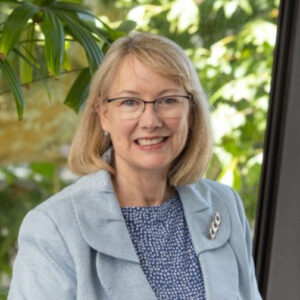
Program Manager
USC Verdugo Hills Hospital
Community Resource Center for Aging

Adria Navarro, PhD Program Manager <<< USC Verdugo Hills Hospital Community Resource Center for Aging added by CV Weekly on
View all posts by CV Weekly →