





By Robin GOLDSWORTHY
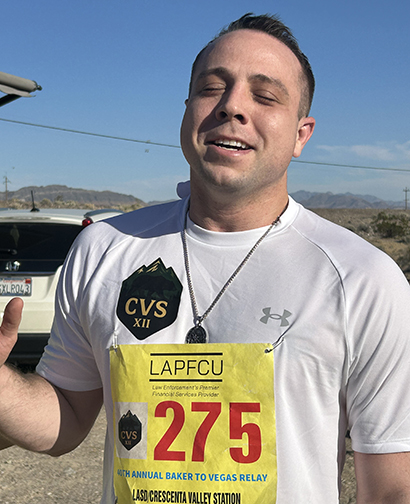
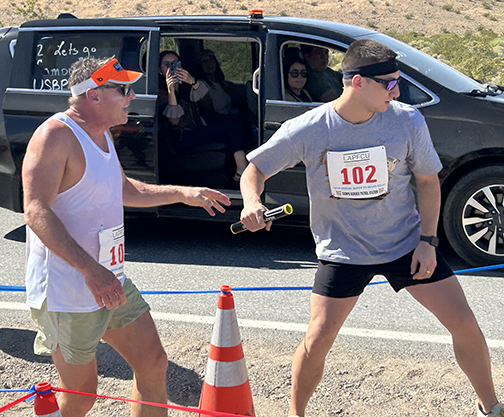
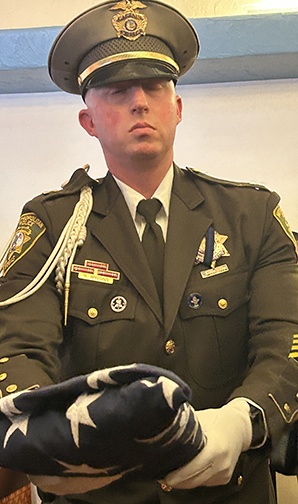
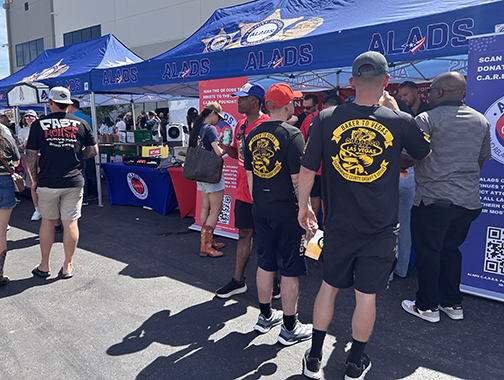
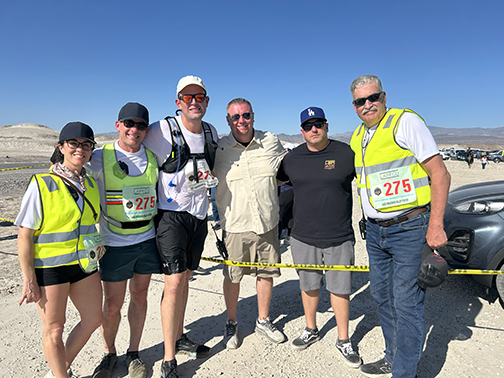
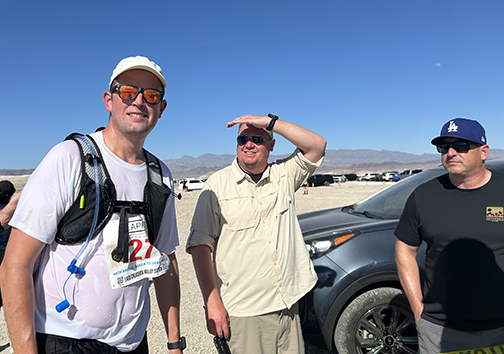
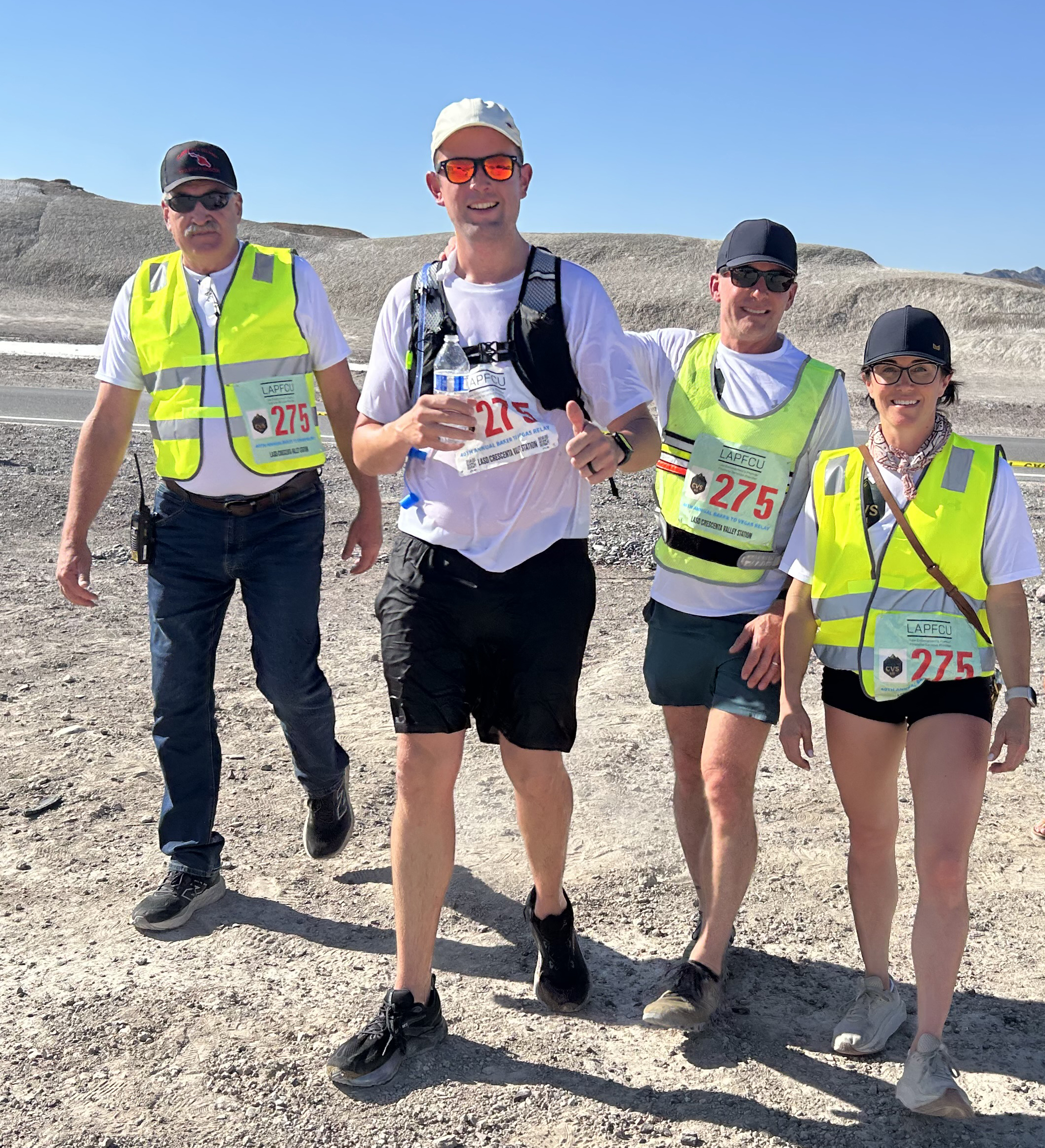
The annual Baker2Vegas Challenge Cup Relay race was held this past weekend. This year marked the 40th year of the event, which originally was an LAPD-only relay race. It has since grown to a global race that features more than 280 teams. For the first time in more than a decade the Los Angeles Sheriff’s Dept – Crescenta Valley Sheriff’s Station (CVSS) had its own team – it did not partner with another station.
“Right now we’re likely to have our own team in the future…there’s a lot of interest in having our own team,” said Sg. John Gilbert of the CV Sheriff’s Station.
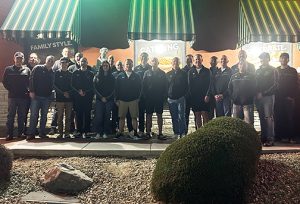
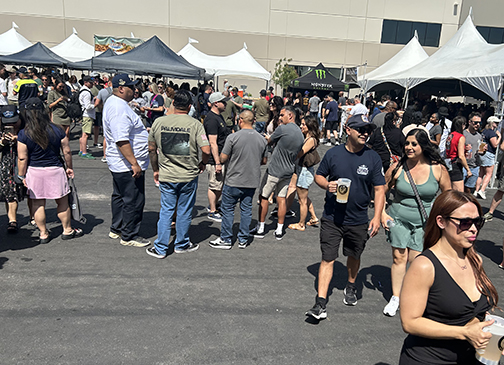
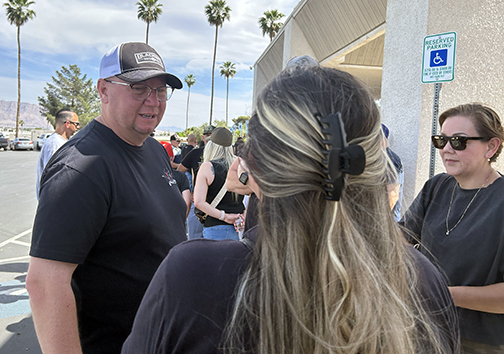
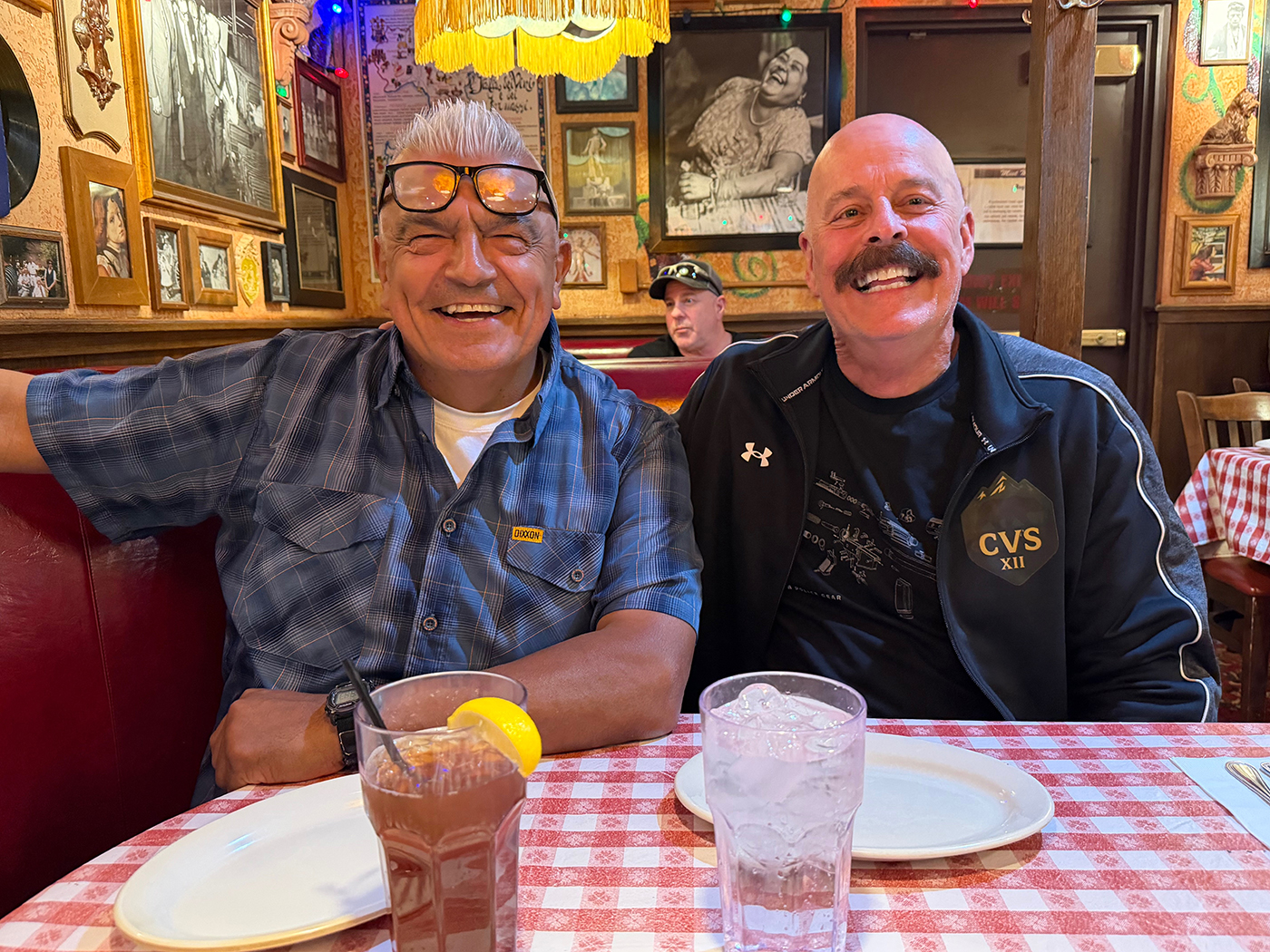
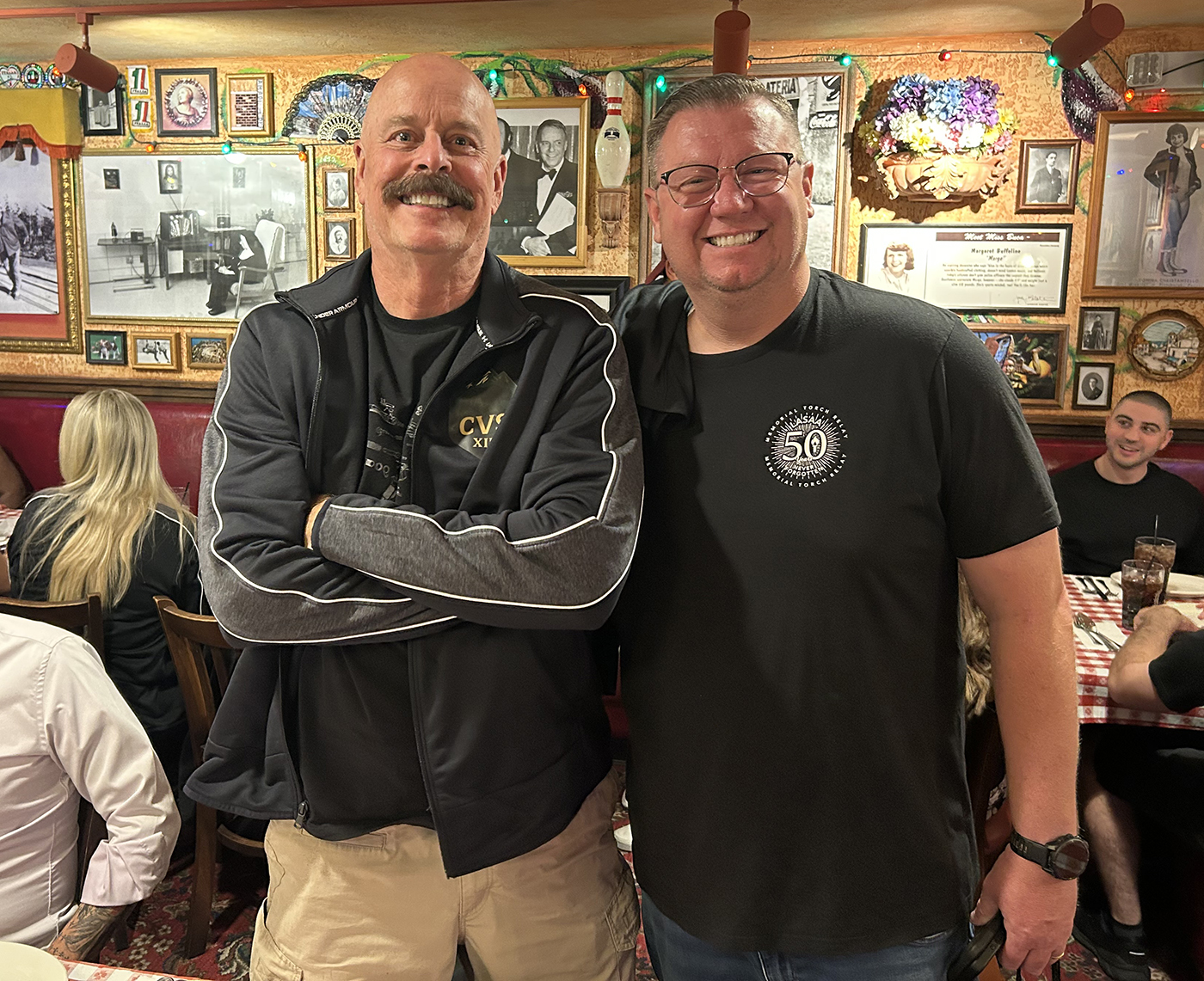
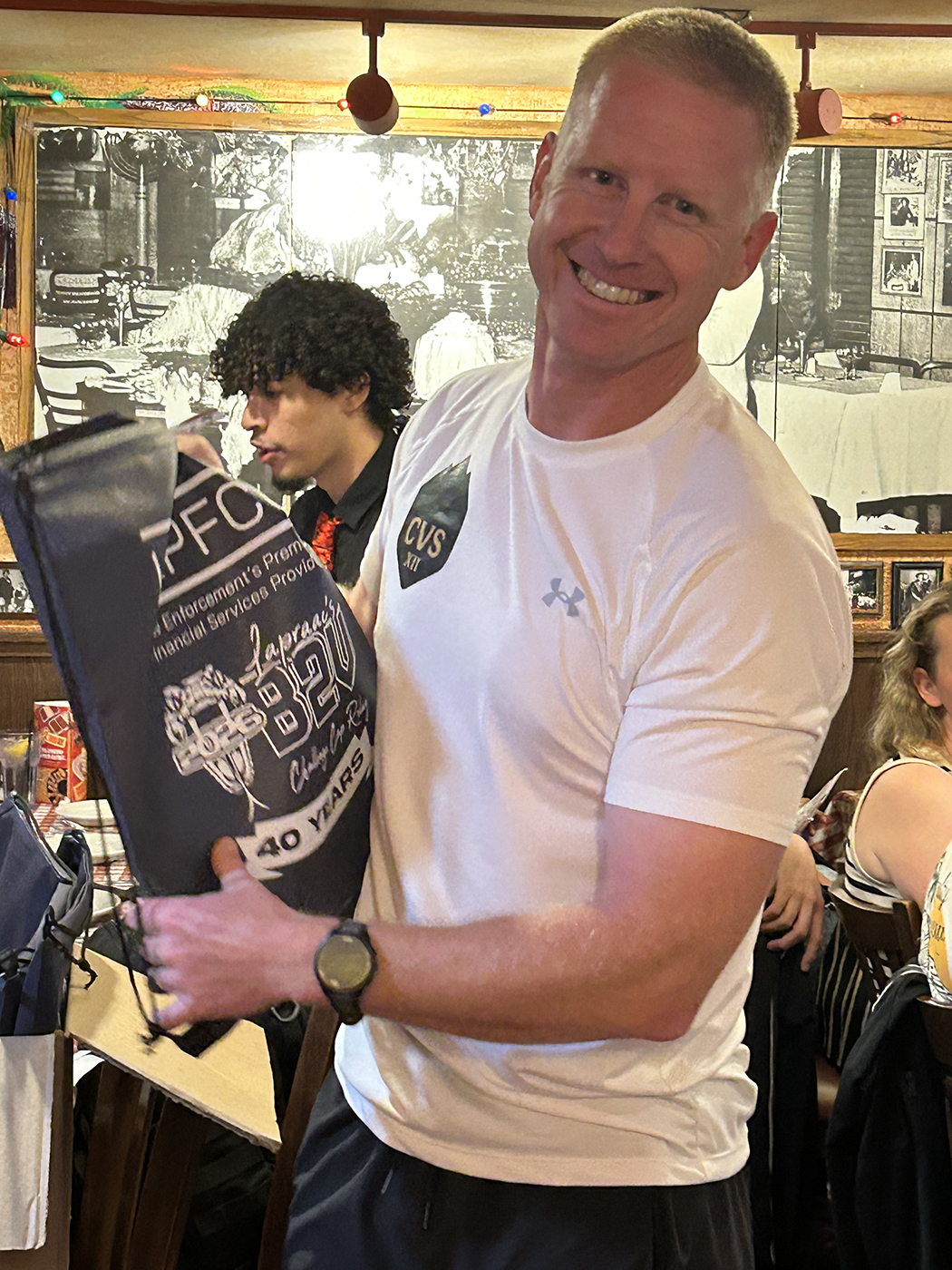
In a Las Vegas restaurant on Friday night, spirits were high as station personnel – of which there was a strong turnout – celebrated coming together.
“Baker2Vegas is about bringing the station together,” said CVSS captain Ryan Vienna, reminding runners (multiple times) to hydrate.
“[It’s] about the journey of our station,” he said, extending thanks to all present. “Every single aspect of the station is involved.”
A La Cañada donor covered many of the costs affiliated with the run, which also minimized the need for additional fundraising.
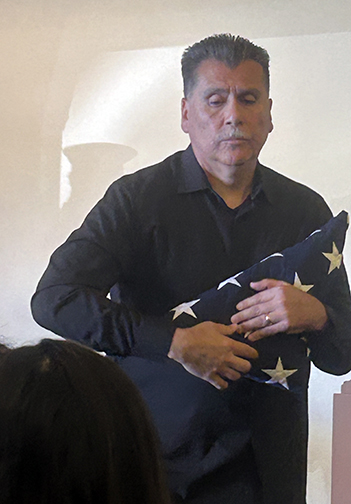
In addition to station personnel, former CVSS captain, now commander, Robert Hahnlein ran leg 19 of the 20 leg race.
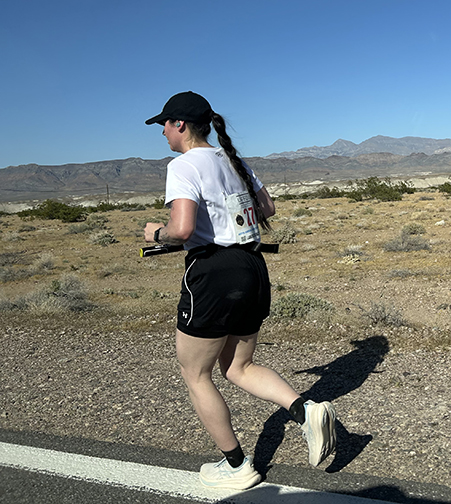
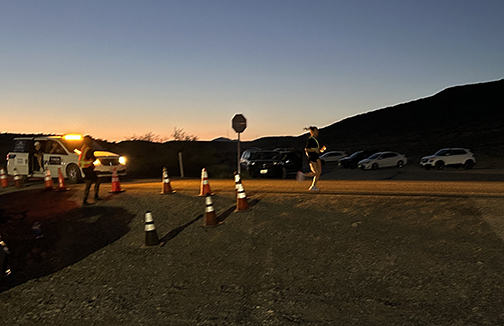
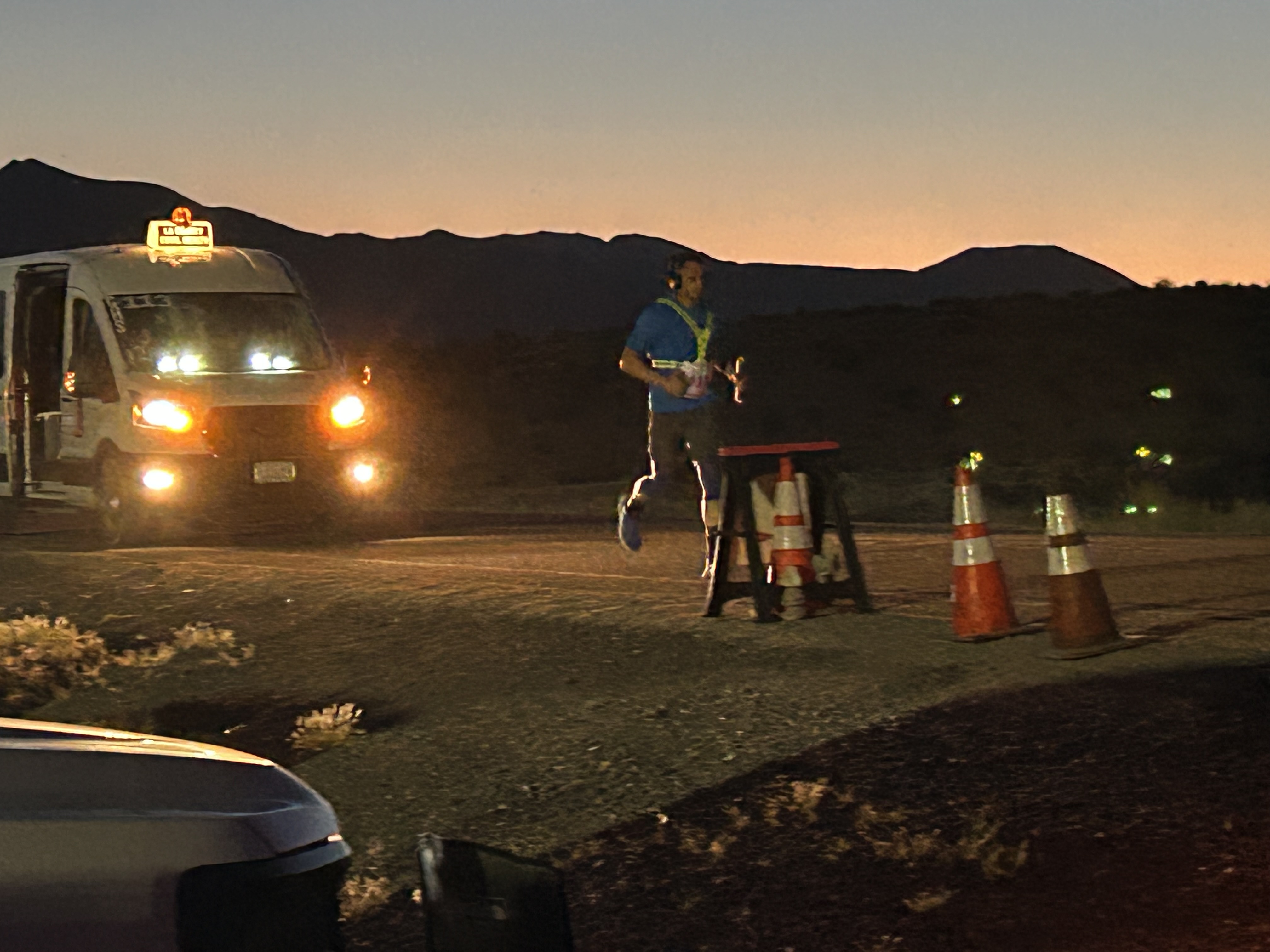
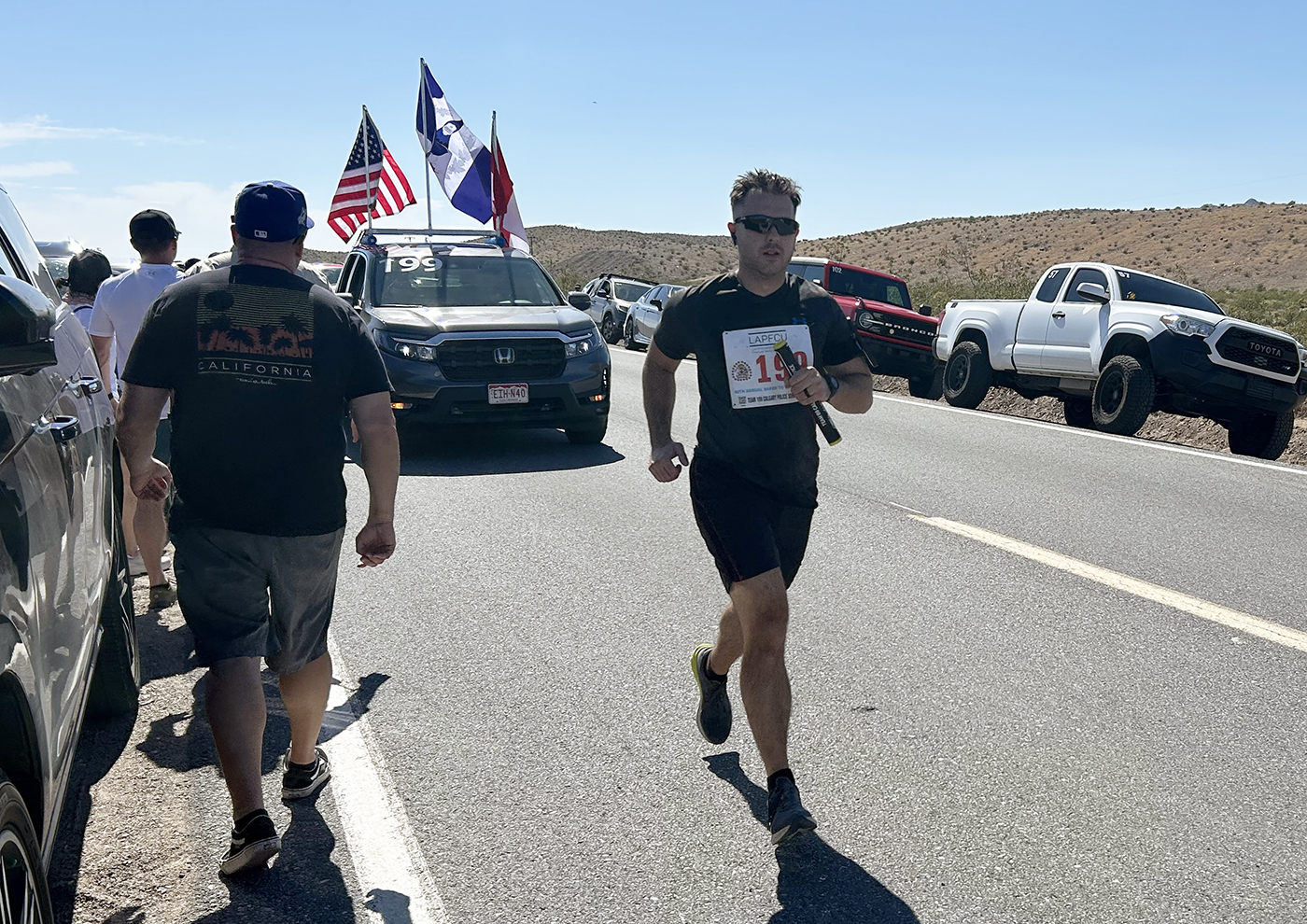
Each leg of the race encompassed anywhere from 3.2 to 10.7 miles. The terrain was treacherous with temperatures exceeding 96 degrees in the middle of the day then hovering around 62 degrees at night.
And there were hills – lots of hills. Gilbert ran leg 13 – 6.9 miles – which saw an increase in elevation.
“It was a very tough hill,” he acknowledged.
Each leg of the journey had alternate runners available “in case the main runner goes down [due to] an injury or is unable to complete the race,” he added.
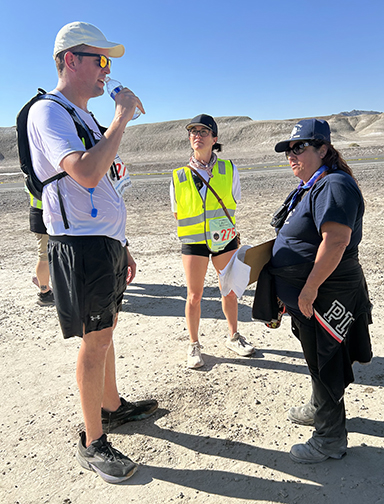
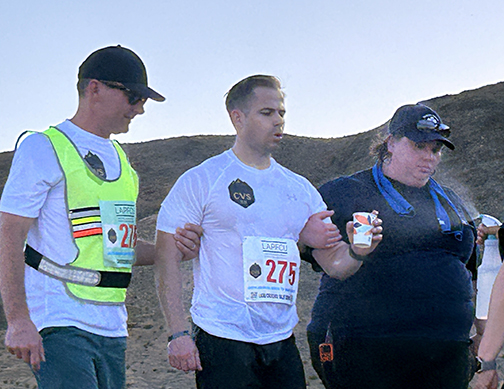
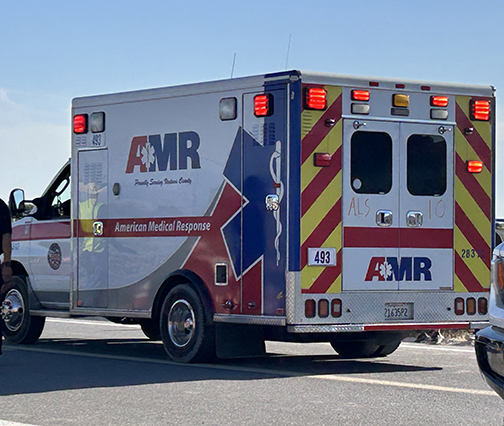
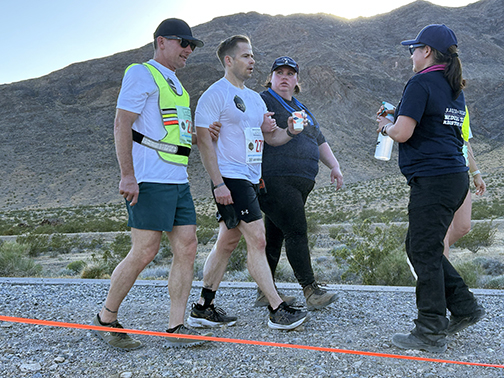
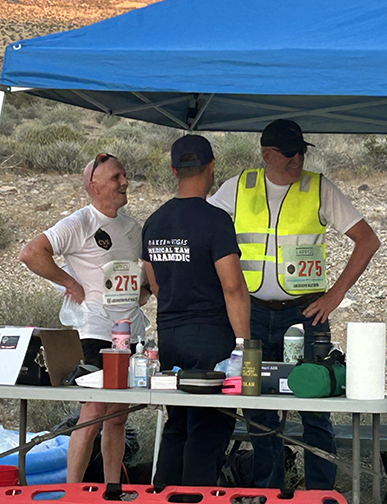
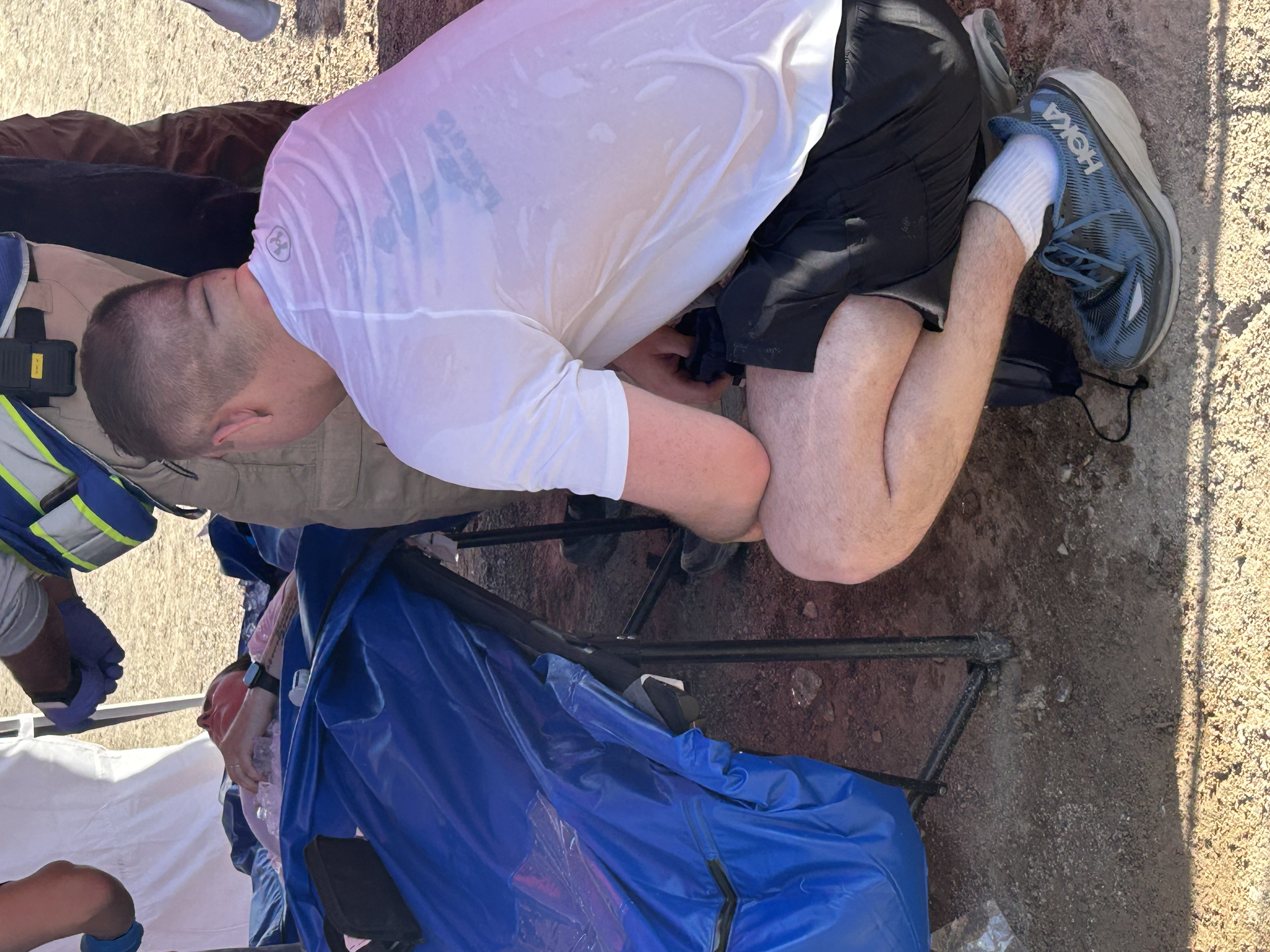
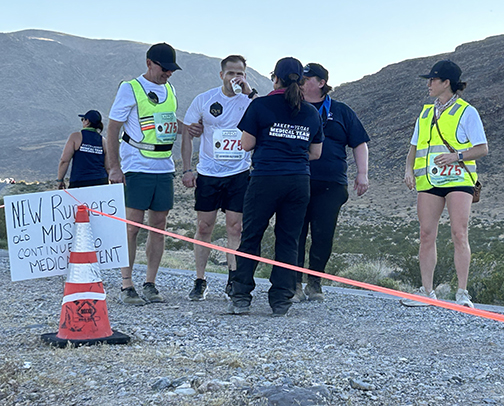
Unfortunately the only female runner for the CVSS, Dep. Peyton Miko, was unable to finish the race. The alternate for her leg – Dep. Brandon Budwig – completed the race for her. Whether due to heat exhaustion or another reason, she was unable to complete leg 6. After being transported to the hospital and recuperating Miko was released.
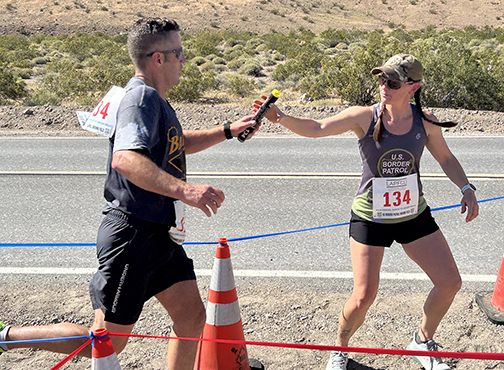
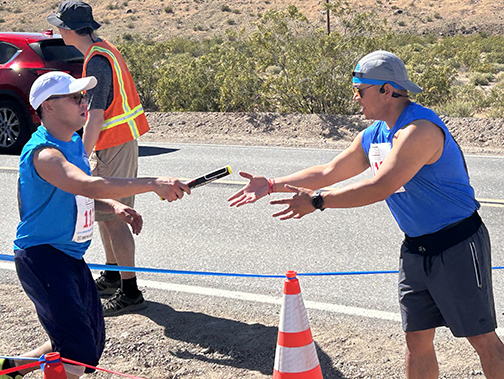
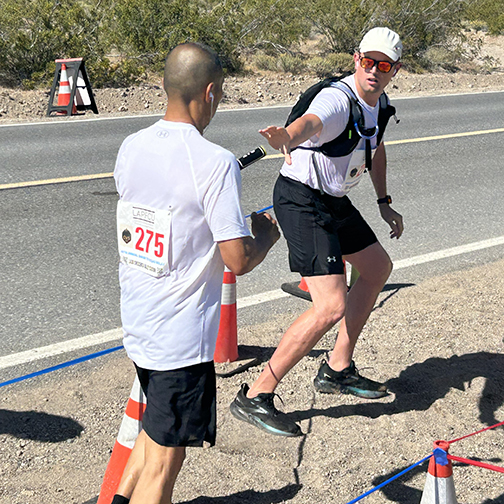
Matt Anderson of the Montrose Search & Rescue team handed off the baton to Miko.
“This heat zaps you,” he said. “You train for something like this [race] and everything goes ‘right’ 99% of the time but sometimes it just doesn’t. Although [the situation is concerning] it won’t stop me [from running] next year.”
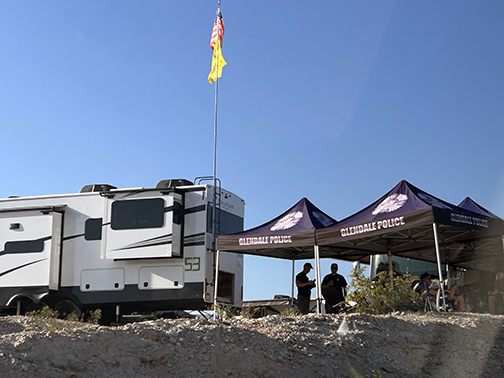
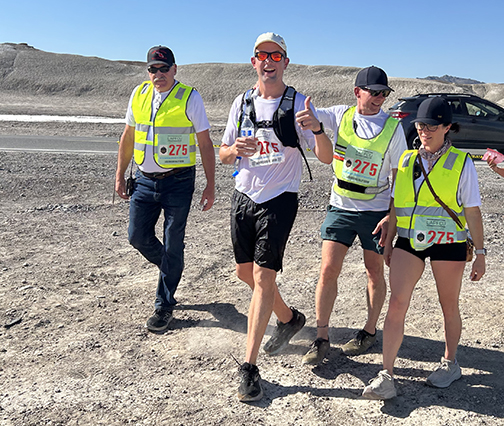
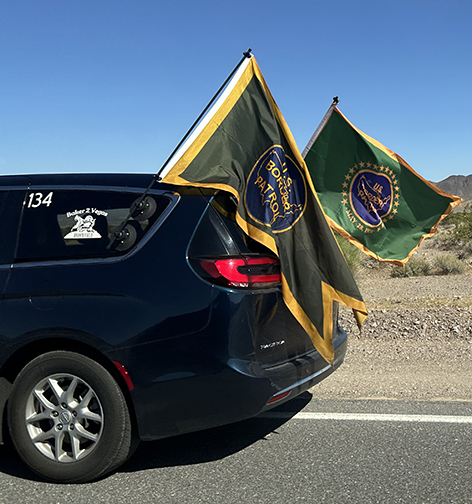
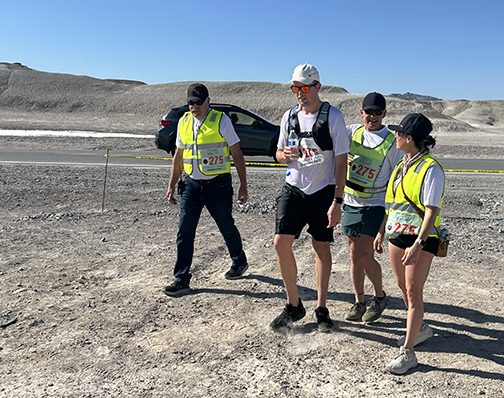
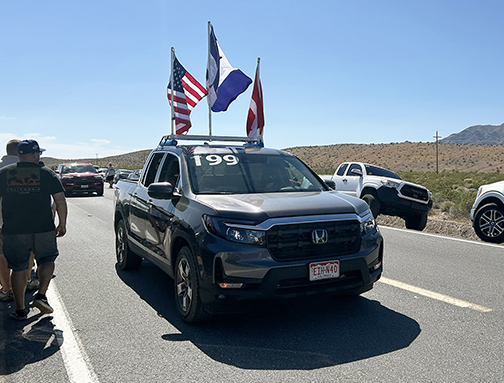
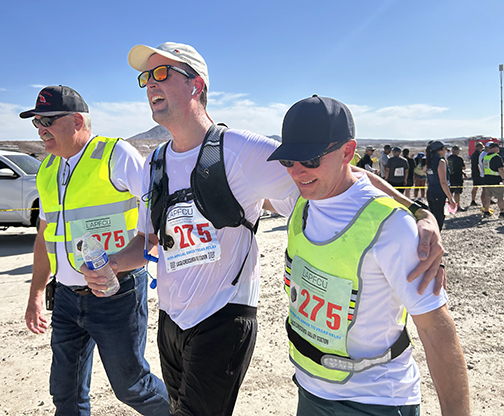
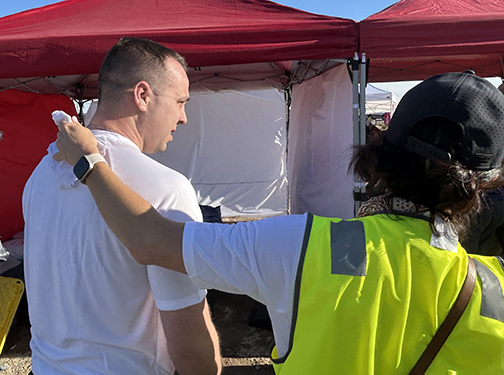
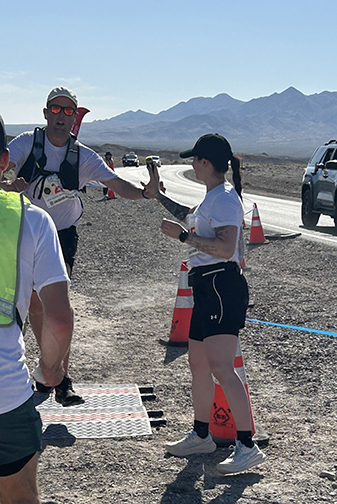
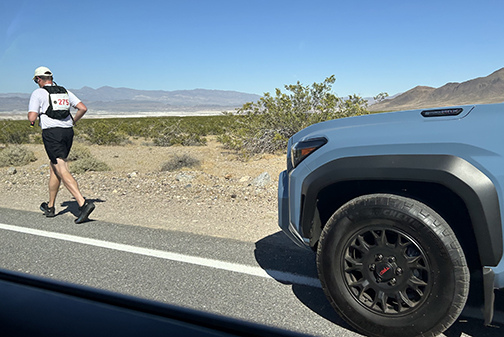
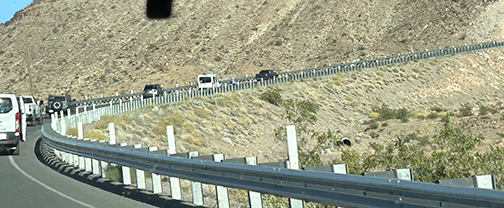
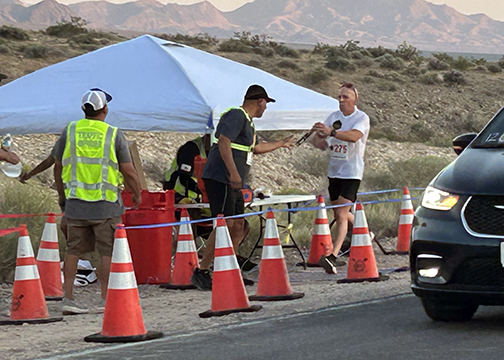
In addition to alternate runners, there was support staff who helped out. A follow vehicle (donated by Bob Smith Toyota) followed each runner, maintaining their pace. At each leg, the baton is quickly passed on, then the runner who just completed the leg is swept up by “catchers” – those who greet the runner and, especially in the heat of the day, pour water on them and help them walk around as they regain their strength.
Despite the extreme temperatures, not one runner stated he would not run again next year.
“I always plan to run – this is my 11th year running,” said Gilbert. “I much prefer running to support.”
The overall champions of the race – that is the fastest team across all divisions – was the California Highway Patrol Elite team.

Runners Met with Heat and Cold at Annual Relay Race added by CV Weekly on
View all posts by CV Weekly →