





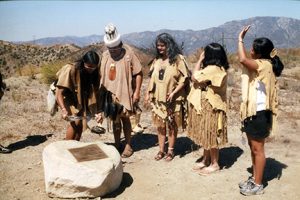
Photos provided by Rich TOYON
By Rich TOYON
Native American Heritage Month is a national observance held each year throughout the month of November. It is observed to recognize the many contributions Native American people have made to this country and society.
Locally, Native peoples have occupied the Crescenta Valley and all of the Los Angeles basin for many thousands of years. The most local village site was Wiqanga in the western Crescenta Valley where the confluence of several year-round streams converged, the topography was gentle and the food supplies were plentiful. In our Crescenta Valley, the Tongva, later known as the Gabrielino-Tongva, lived peacefully and quite successfully for many centuries, stewarding the land in a harmonious manner where, simply, if they cared for the land the land cared for them.
Also locally were two “mother villages:” Tujunga, situated between the mouths of the Little and Big Tujunga canyons, and Hahamongna, where JPL now sits. Both mother villages were established, settled and fully operational about 4,500 years ago and 5,000 years ago respectively. To put that in a time context, the great pyramids of Egypt were built at about the same time. Thus, in order for a people such as the Tongva to live as successfully as they did they must have known every rhythm and variation in the landscape. Their pharmacy was the abundant plant materials surrounding them, their supermarkets were both the flora and fauna and even in the driest of years they reaped their knowledge of watersheds and springs that exist even to today.
The Tongva were seafarers and navigators, they practiced medicine, they had a sophisticated, complex and organized culture, they had both a solar and lunar calendar, had a monetary system and, because of their strategic geographical location, they had material wealth and were culturally influential as many tribes traveled to trade with them. They had/have complex language, were mostly peaceful and were expert resource managers incredibly tuned to the land.
It wasn’t until the settlement of Alta California, with the colonial mission system and specifically the Mission San Gabriel, deleteriously interrupted the continuous lifestyle of the Tongva, as it did for numerous California Native peoples. The incredible store of generational knowledge and practice the Tongva developed over the many centuries was denied and, sadly, the knowledge or data that would have been highly useful to the missionary fathers was ignored. It is only today when the Earth is experiencing climate changes and destructive climatic events (such as year-round wildfires) that the Native way of land stewardship is being explored as potentially a wiser method of resource management. Many “land acknowledgements” can be found of late when recognition of cultural Native contributions is becoming standard as only now are the intricate expertise and proficiencies of Native American cultures recognized.
Native American Heritage Month is a recollection of the importance of Native cultures to today’s society, to today’s country and to the world. Certainly, the contributions of the Tongva here locally in the Crescenta Valley cannot and should not be overlooked. Every NAHM is filled with events commemorating those contributions.
Visit the Autry Museum of the American West for its excellent Native artistic and cultural exhibitions, attend a Native Powwow celebration (Cabazon-Indio Powwow is on Nov, 25-27, CSUN’s 40th annual Powwow is on Nov. 29), and the Tongva -Gabrielino Tribal Marketplace is on Dec. 6 in San Gabriel. These are wonderful opportunities to learn and experience more Native American Heritage.
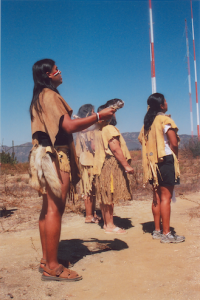
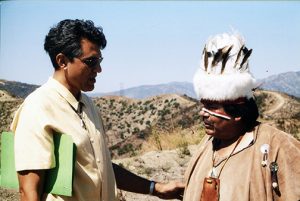
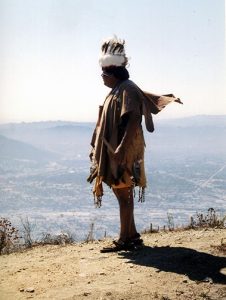

SPECIAL TO THE CV WEEKLY Recognizing our Heritage added by CV Weekly on
View all posts by CV Weekly →